How to Choose the Right Farm Pumps in Taree for Your Property
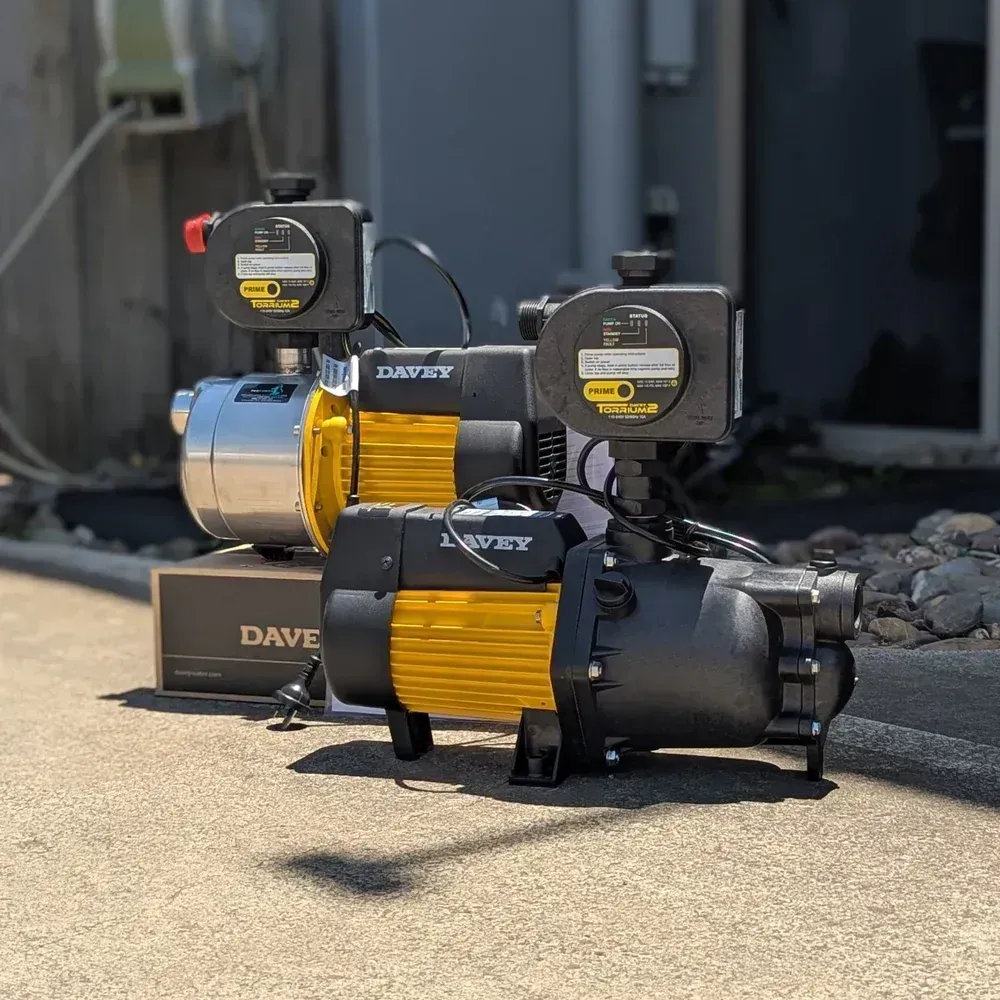
Water doesn't move itself. On a rural property, the pump sitting quietly beside a tank or bore does more work than almost anything else. Choose the wrong one and you'll notice fast, through weak pressure, climbing bills or a system that struggles the moment demand rises. Getting the decision right from the start saves years of frustration. This guide walks through what matters when you're weighing up farm pumps in Taree, so the water reaches where it needs to go without a fight.
Understand What Your Property Actually Needs
Before comparing models, it helps to know exactly what you're asking the pump to do. A house block with a garden has very different demands to a working farm running troughs, sheds and irrigation across several paddocks. Mapping out how water gets used across the property gives you a clear picture of the scale required.
Start by listing the jobs your pump must handle, such as:
- Supplying stock water to troughs spread across paddocks.
- Feeding household taps, bathrooms and laundry.
- Running irrigation lines or filling holding tanks.
Once you know the full workload, the right size and type become far easier to identify.
Match the Pump to Your Water Source
Where your water comes from has a big say in which pump will suit. Drawing from a deep bore calls for something built to lift water a long way, while pulling from a dam sitting close to the surface is a different job entirely. The source you rely on plays a large part in the choice.
Your best fit depends on the source, which might be:
- A bore that needs a submersible unit sized to the depth.
- A dam or river where a surface or transfer pump often works well.
- A rainwater tank feeding the house through a pressure pump.
Matching the pump to the source avoids unnecessary strain on the equipment and keeps supply reliable.
Consider the Pressure & Flow You Require
Pressure and flow sound similar but they measure two separate things, and both shape how a system performs. Flow tells you how much water moves, while pressure tells you how far and how high it can push. Both need to line up with the demands of your property.
It’s important to consider:
- Flow rate, measured in litres per minute for how much water moves.
- Pressure, measured in head or kPa for how far it can push.
- The combined demand when several outlets run at the same time.
Balancing these numbers stops you from ending up with a system that runs dry under load.
Think About Power Supply & Running Costs
The way a pump is powered affects both the upfront install and the bills that follow for years afterward. Grid connection, solar and fuel each carry trade-offs in cost, reliability and reach. What suits one property may make little sense on the next.
Your power options usually come down to:
- Mains electric units that suit properties with reliable grid access.
- Solar setups that cut running costs where sun is plentiful.
- Diesel or petrol pumps for remote spots off the grid.
The cheapest pump to buy is not always the cheapest one to run, so factor in the long game.
Why Pump Sizing Matters More Than People Expect
Bigger is not automatically better. An oversized pump cycles on and off too often, wears out sooner and wastes power, while an undersized one runs flat out and never quite keeps up. Correct sizing is one of the most common sticking points people face when choosing farm pumps in Taree.
Good sizing takes a few things into account:
- The vertical distance water must be lifted from source to storage.
- The length and diameter of the pipe carrying the flow.
- Peak demand during the busiest part of the day.
Getting this right early spares you the cost of replacing a poorly matched unit later.
Factor in the Local Climate & Terrain
Every property sits in its own patch of country, and the Manning Valley throws up conditions that a pump has to cope with year round. Wet seasons, dry spells and uneven ground all place demands on the way a system is set up. The landscape itself shapes what will hold up over time.
Local conditions to plan around include:
- Heavy rain and flooding that can affect low-lying installations.
- Dry stretches where dam levels drop and draw points shift.
- Sloping ground that adds to the lift a pump must manage.
Planning around the local landscape means fewer surprises when the weather turns.
What Maintenance Will the Pump Demand?
A pump is not a set-and-forget piece of gear. Even a well-chosen unit needs the odd check to keep it running smoothly and to catch small problems before they turn into expensive ones. A little attention spread across the year makes a real difference.
Regular upkeep usually means:
- Checking seals, fittings and filters for wear or blockage.
- Clearing debris from intakes on dam and river setups.
- Testing pressure switches and controls to catch faults early.
Knowing the maintenance load before you buy helps you pick something you can realistically look after.
Getting Professional Advice Before You Buy
There's a lot to juggle in this decision, and it's easy to focus on price while missing the details that matter most. Someone who works with these systems every day can spot mismatches you might not, and steer you clear of costly missteps. A conversation before you commit is rarely wasted.
A local expert can help you avoid:
- Paying for capacity you will never actually use.
- Installing a unit poorly matched to your water source.
- Overlooking parts, servicing or warranty down the track.
Good advice at the start often pays for itself many times over.
Get Your Water Sorted with Local Know-How
We at Taree Water Works have spent years helping property owners across the Manning Valley get their water systems working the way they should. Whether you're setting up a new bore, replacing a tired unit or planning irrigation across a larger holding, choosing the right
farm pumps in Taree comes down to local knowledge and straight-talking advice. Our team understands the ground, the climate and the everyday demands of rural life around Taree, and we're glad to walk through your options before you commit to anything.
Give us a call or drop in to talk about what your property needs, and we'll help you find a solution built to last.